The Truth About “Flushable” Wipes: Why Your Main Drain Line Disagrees
Why “Flushable” Doesn’t Mean “Safe for Your Plumbing”
“Flushable” is a marketing word, not a plumbing guarantee. The package might mean the wipe can make it through a toilet trap. It doesn’t mean it breaks down fast enough to travel your whole main drain line, make it past transitions, and survive the real world of grease, hair, soap scum, and roots.
Toilet paper is designed to lose strength quickly once it hits water. Wipes are designed to stay strong while you use them. That strength is exactly why they’re a problem downstream.
What the label implies: It can be flushed through a toilet.What your plumbing needs: It must disperse before it hits the main line.What actually happens: It stays intact and starts collecting debris.
In the field, we see the same recipe over and over: wipes catch a little grease, then a little hair, then a little sludge, and eventually you’ve got a plug that doesn’t care what the label says.
Do Flushable Wipes Clog Pipes? Here’s the Straight Answer
Yes, flushable wipes clog pipes. Not always on day one, and not always in every house, but they’re a common contributor to main drain line clogs and backups.
Here’s why they cause trouble in real drain systems:
They don’t break down fast enough: In a main line, you need rapid dispersal. Wipes stay woven and intact.They snag on imperfections: Transitions, rough cast iron, slightly offset joints, and bellies give wipes a place to hang up.They form “ropes”: Multiple wipes twist together, then act like a net that catches everything behind them.
If you’re a GC, here’s the takeaway: a “flushable wipe habit” is a schedule risk hiding inside an otherwise clean project.
Main Sewer Line Clog Signs (What GCs and Homeowners Notice First)
Main line clogs usually announce themselves in patterns, not one isolated symptom. If you’re trying to figure out whether you’re dealing with a single fixture issue or a main drain line problem, watch for these main sewer line clog signs:
Multiple fixtures draining slow: Tub, shower, and toilet all sluggish within the same day.Gurgling and bubbling: Air is getting displaced because water can’t move freely.Sewage smell near floor drains: Often shows up in basements and mechanical rooms first.Backup at the lowest drain: Basement shower or floor drain takes the hit before an upstairs bathroom does.Repeat toilet clogs: You plunge, it works, then it comes right back.
If you see two or more of those at once, treat it like a main line issue until proven otherwise.
Why Main Drain Line Problems Hit Remodels and High-End Homes Hard
A main drain line clog isn’t just a plumbing inconvenience. On a high-end remodel, it can turn into a domino effect.
Schedule risk: One backup can stop tile, flooring, paint, cabinetry, and inspections.Finish risk: Water and sewage don’t care about your new baseboard or LVP.Reputation risk: Homeowners remember the chaos, not the excuse.
This is why we treat drain work like a “protect the project” scope, not a quick service call. The goal is to get you back on schedule without creating a bigger mess in the process.
Common Places Wipes Get Stuck in North Metro Homes
North Metro Minnesota has a mix of newer PVC systems and older neighborhoods with cast iron, clay tile, or patched transitions. Wipes love the spots where pipe conditions change.
Cast iron roughness: Scale inside the pipe gives wipes texture to grab onto.Clay tile offsets: Older joints shift over time and create a ledge.Tight turns and transitions: A hard 90 or reducer can become a snag point.
Even in newer construction, wipes can still build a wad in the main line if there’s a belly, poor slope, or recurring grease load.
What to Do If You Suspect Wipes Are Clogging the Main Sewer Line
If you think wipes are involved, speed matters. The longer a partial clog sits, the more it collects and the more likely you end up with a full backup.
Stop flushing anything but toilet paper: That includes “flushable” wipes and paper towels.Look for multi-fixture symptoms: One slow sink is different than a slow toilet and shower together.Protect the lowest point: Keep an eye on basement floor drains and showers. That’s usually where backups show first.Get the main line evaluated: Clearing a line is one thing. Confirming what caused it is what prevents callbacks.
If you’re a GC managing a client relationship, communicate early. A calm heads-up today beats an emergency cleanup tomorrow.
The Right Fix (Not a Temporary Band-Aid)
Not every clog is the same, and the right fix depends on what’s in the line and what the pipe looks like.
Cabling/augering vs. hydro jetting
Cabling (snaking): Good for punching through a blockage and restoring flow quickly.Hydro jetting: Best when you need to scour buildup off the pipe walls, especially grease and sludge.Right tool choice: Depends on pipe type, age, and risk of damage.
Camera inspection is the “receipt”
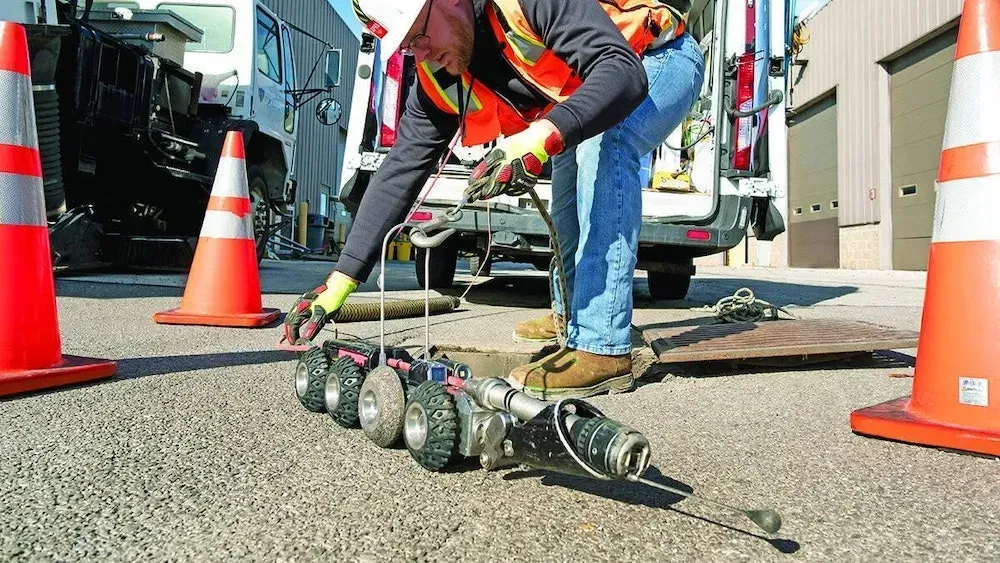
If you want to avoid repeat problems, a camera inspection matters. It shows whether you’re dealing with wipes, roots, a belly, a collapsed section, or an offset joint. It also gives you something concrete to show the homeowner or document for the project file.
When the pipe itself is the issue
If we see root intrusion, broken tile, or severe corrosion, the long-term solution may be repair or lining. The goal is predictability: fix it once, keep the project moving, and protect the home.
Better Alternatives to “Flushable” Wipes (That Still Keep Things Comfortable)
We’re not here to lecture anyone. People use wipes for a reason. The goal is a solution that doesn’t turn into a sewer call later.
Trash-can method: Use a small, lidded bin with a liner and take it out regularly.Bidet attachments: A simple add-on is a solid upgrade for bathrooms and a nice spec on higher-end remodels.Clear household rules: “Toilet paper only” avoids confusion for kids, guests, and crews.
If you manage multiple job sites, it’s worth telling homeowners up front. One sentence in a welcome packet can prevent a whole lot of chaos.
How MH Plumbing Keeps This “No Chaos” for GCs and Homeowners
Drain problems are stressful. Our job is to remove stress, not add to it. MH Plumbing works North Metro Minnesota (Blaine, Coon Rapids, Andover, Ham Lake and nearby), and we’re built for the realities of finished homes and high-end remodel timelines.
Respect for the home: Clean work zones, careful access, and we leave it spotless.Respect for the schedule: Clear arrival windows and proactive updates so you can plan trades.Transparent options: You’ll know what we found, what we recommend, and what it costs before we run ahead.Proof of work: When applicable, we document before-and-after so you can “see for yourself.”
If you’re a GC, our goal is simple: seamless handoff, no babysitting, and no surprises that land on your plate at 6 PM.
FAQ: Wipes, Sewer Clogs, and Main Drain Lines
Are any wipes truly safe to flush?
From a plumbing perspective, the safest approach is toilet paper only. Even wipes labeled “septic-safe” or “flushable” can stay intact long enough to cause problems in real drain lines.
Can one wipe really cause a main sewer clog?
One wipe usually isn’t the whole story. The issue is accumulation. One wipe catches a little debris, then the next wipe catches more, and that’s how a partial restriction becomes a full blockage.
How do I know if it’s the main line or just one fixture?
If multiple fixtures are affected, especially across different bathrooms or floors, it points to the main line. A single slow lav sink is more likely a local clog.
Do wipes clog septic systems too?
Yes. Septic systems depend on breakdown and settling. Wipes can build up in the tank, interfere with baffles, and contribute to pump or drain-field issues.
Will drain chemicals fix a wipe clog?
Typically no, and they can create other problems. Wipes are a physical blockage. Chemical drain cleaners often don’t dissolve them, and they can be hazardous for anyone opening the line afterward.
