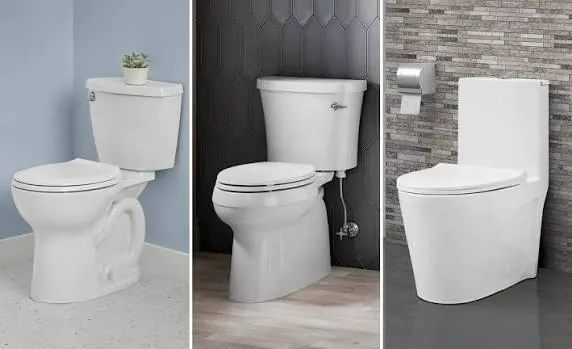
Gerber Avalanche vs. Big-Box Retail Toilets: Why Professional-Grade Fixtures Rarely Clog (and Why That Matters on Your Projects)
If you’re a high-end remodeler or custom builder in the North Metro, you already know the truth: toilets don’t just fail in bathrooms. They fail on schedules.
A “my toilet keeps clogging” call turns into a chain reaction. Homeowner frustration. A punch list that won’t close. You sending a guy back for something that should’ve been bulletproof. That’s why the best clog free toilet isn’t the one with the prettiest box. It’s the one that reduces callbacks and stays boring year after year.
The real cost of a “good enough” toilet
Clogs aren’t a homeowner issue, they’re a schedule issue
In a finished home, a clog is annoying. On an active project, a clog is disruptive. It can stall trim, paint, cleaning, and final walkthrough momentum. When the homeowner’s first week in the new space includes plunging a brand-new toilet, nobody remembers the tile layout. They remember the frustration.
Big-box toilets aren’t bad, they’re optimized for price
Retail toilets can be fine products. But many of them are designed to hit a price point, ship efficiently, and look good under bright lights. That’s different from being designed to reduce service calls in real homes with real usage.
Why one toilet can create multiple trade callbacks
Plumbing callback to “fix the toilet” that may not be the root issue.Finish damage risk from repeated plunging, overflow events, or tank/bowl adjustments.Reputation hit because the homeowner blames the builder, not the fixture spec.
What actually causes toilet clogs in the field
Most toilet comparisons online get stuck on flush ratings and marketing. In the field, clogs come down to a few practical design and installation realities.
Trapway design and glazing
The trapway is the pathway waste travels through inside the bowl. A larger, smoother, well-glazed trapway generally moves waste with less hang-up. When trapways are tighter or rougher, you’ll see more partial clogs and more “it flushes, but it doesn’t clear” complaints.
Flush valve size and water delivery
How quickly the tank can deliver water into the bowl matters as much as total gallons per flush. A bigger flush valve and a design that dumps water fast can create a stronger siphon and better carry. This is one reason two toilets with the same GPF can perform very differently.
Bowl rinse and paper carry
A toilet that leaves paper behind becomes a “double flush” toilet. Double flushing is the fast track to clogs, especially in households with kids, guests, or heavier paper use. Better bowl wash and a consistent siphon reduce the odds of build-up that becomes a clog on day 10 instead of day 1.
Install details that get blamed on the toilet
Not every clog is the bowl’s fault. We see a lot of “bad toilet” diagnoses that are actually jobsite realities:
Compromised flange height causing poor seal or improper set.Vent issues that slow the drain and mimic a weak flush.Partial obstruction in the branch line from construction debris or old cast transitions.
That’s why fixture selection and install execution have to work together. You can buy a great toilet and still end up with chaos if the drain side isn’t respected.
Gerber Avalanche toilet review (contractor lens)
This section isn’t sponsored and it’s not meant to dunk on any brand. It’s a practical Gerber Avalanche toilet review based on what matters most to builders and remodelers: performance, serviceability, and fewer headaches.
Flush performance and trapway advantages
The Gerber Avalanche line is known for strong flush performance and good carry. When we’re trying to spec a toilet that behaves like a workhorse, we look for consistent siphon action and a design that clears paper without drama. Professional-grade bowls typically feel less “finicky” across a range of household habits.
Build quality, parts, and serviceability
On higher-use bathrooms, the long game is parts. You want a setup where common wear components are easy to source and easy to service without turning a small issue into a three-hour visit. Pro-grade fixtures tend to be built with that reality in mind.
Who the Avalanche is best for
Primary suites and main-floor baths where the homeowner expects zero drama.Homes with kids or frequent guests where paper load is unpredictable.Remodels with tight punch schedules where you can’t afford repeat visits.
What to confirm before you order
Even the “best clog free toilet” can be the wrong pick if the spec doesn’t match the job. Before you commit, confirm:
Rough-in dimension so you’re not fighting the wall at set day.Seat height preference for the client and the design intent.Water supply and shutoff condition so a finish-day swap doesn’t spiral.
Big-box retail toilets: where they shine and where they bite you
When a retail toilet is a perfectly fine choice
If the client’s budget is tight, or it’s a light-use bath, a big-box toilet can make sense. Plenty of retail models look great, install easily, and perform fine in the right context.
Common failure points we see after install
Where we see issues is consistency over time. A few patterns show up:
More double-flush behavior leading to paper accumulation.More sensitivity to “normal misuse” like extra paper or wipes.Harder-to-match internals when a small part fails years later.
The hidden cost: your time and your reputation
Builders aren’t just buying a toilet. You’re buying fewer interruptions. If you’re managing multiple projects across Blaine, Coon Rapids, Andover, Ham Lake, and the rest of the North Metro, a single avoidable service loop eats margin fast.
When we talk to GCs, this is the emotional center of it: reputation insurance. You want the homeowner telling their friends, “The whole project ran smooth,” not “We love the bathroom, but the toilet’s been a pain since day one.”
Professional-grade toilet checklist for remodelers and builders
Spec the performance, not the marketing
Instead of choosing by showroom feel alone, consider these performance cues:
Efficient water dump that starts a strong siphon quickly.Smooth, well-glazed trapway to reduce hang-ups.Reliable bowl rinse that clears paper consistently.
Standardize parts across your builds
Standardization is underrated. If you use the same families of fixtures, you simplify future service and reduce “mystery parts” situations. That helps you, your service partner, and the homeowner five years from now.
Don’t ignore the flange and venting realities
Some “clog” complaints are really drainage performance problems. On remodels especially, we like to verify the basics before blaming a bowl:
Flange integrity with proper height and secure fasteners.Branch line condition with no bellies or restrictions.Venting function so the fixture can drain at full speed.
Plan for client habits and household load
If this is a busy household, a basement hangout bath, or a main-floor powder that sees guests, don’t spec like it’s a low-use guest suite. The “best clog free toilet” is the one matched to how the home is actually lived in.
How MH Plumbing keeps bathrooms “no-callback”
Fixtures matter, but execution matters just as much. MH Plumbing is built around a No Chaos approach: respect the schedule, keep the site clean, and communicate like a partner, not a mystery subcontractor.
Our No Chaos SOP on finish days
Show up on time so other trades can keep moving.Protect finished surfaces with clean work habits and jobsite courtesy.Leave it spotless because nobody should find our work by finding our mess.
Transparent options and pricing up front
We don’t like surprises either. We’ll walk through fixture options, compatibility, and scope so you can make a clear call before the schedule is tight and the homeowner’s asking for miracles.
North Metro scheduling that protects your timeline
Our clients hire us because they’re tired of babysitting trades. We’re local, we’re responsive, and we keep you updated so you’re not chasing answers.
Quick FAQ: best clog free toilet questions we get on-site
Is a pressure-assist toilet always better?
Not always. Pressure-assist can be powerful, but it can also be louder and may not fit the vibe in a high-end primary bath. For many projects, a strong gravity toilet with pro-grade design is the sweet spot.
Do 1.28 GPF toilets clog more?
GPF alone doesn’t decide clogging. A well-designed 1.28 GPF toilet can outperform a poorly designed higher-GPF unit because the water delivery and trapway matter.
Can a toilet clog because of the drain, not the bowl?
Yes. Venting issues, partial restrictions, old cast iron transitions, or a compromised branch line can all mimic a weak flush. That’s why we look at the whole system before recommending a swap.
What’s the best toilet for a basement bathroom?
Basements can be more sensitive depending on line routing and existing plumbing. We typically recommend a proven, professional-grade gravity toilet and we verify the drainage conditions so you’re not masking a piping problem with a fixture change.
If you’re a North Metro builder or remodeler and you want bathrooms that stay quiet after turnover, we can help you spec and install fixtures that reduce headaches. That’s the whole point of our No Chaos approach: predictable execution, clean sites, and fewer callbacks that steal your time.
