
How to Prevent Frozen Pipes in Minnesota: A Full Home Winterizing Checklist (Built for Sub-Zero Weeks)
Why Minnesota Pipes Freeze (And Where They Fail First)
If you build or remodel in the North Metro, you already know Minnesota winter doesn’t “kind of” test a house. It stress-tests it. Frozen pipes happen when three things line up:
Water sits still in a pipe run with low flow.Cold air wins because insulation or air sealing is missing.Heat can’t reach the pipe because it’s in an exterior wall, rim joist bay, or unconditioned space.
Where we see failures most often around Blaine, Coon Rapids, Andover, Ham Lake, and neighboring areas:
Hose bib supplies and the first few feet inside the wall.Rim joist plumbing runs over unfinished basements and crawl areas.Garage-adjacent lines for bonus rooms, mudrooms, and slab edges.Kitchen sink lines on exterior walls with tight cabinets and poor airflow.Mechanical rooms with fresh air intakes or unsealed penetrations.
The goal of this guide is simple: reduce the odds of a freeze event, and reduce the damage if one does happen. That’s how to prevent frozen pipes Minnesota-style, when it’s sub-zero for days.
Pre-Winter Plumbing Walkthrough: 30 Minutes That Prevents a 3 AM Call
This is the “no chaos” part. A short walkthrough in fall saves the panic during the first hard cold snap.
Find and test the main shutoff and interior shutoffs
Locate the main water shutoff and confirm it fully closes and reopens smoothly.Tag the valve so anyone on site can find it fast.Check fixture shutoffs under sinks and behind toilets for accessibility and operation.
If a shutoff won’t close, that’s not a “later” item. A frozen pipe without a working shutoff turns into a full-house water event.
Locate the weakest spots before the first deep freeze
Walk the perimeter of basements and crawl spaces and look for plumbing near rim joists.Check garage walls shared with heated areas for piping.Look for drafts at hose bib penetrations, meter penetrations, and low-voltage/wire chases.
Confirm drain paths, sump discharge, and floor drains
Verify sump discharge routing and make sure exterior discharge won’t ice over at the termination.Confirm floor drains flow and have proper trap protection.For vacant properties confirm any humidifiers, softeners, or RO systems have safe drain paths.
How to Winterize an Outdoor Spigot (Frost-Proof and Standard)
“Winterize outdoor spigot” gets searched a ton for a reason. Hose bibs are one of the most common freeze points, and the damage often shows up inside the wall where you can’t see it until it’s bad.
Step-by-step: standard hose bib with an interior shutoff
Shut off the interior valve feeding that hose bib (usually in basement ceiling or near rim joist).Open the exterior spigot to drain water out of the line.Open the interior bleeder if the shutoff has one, and let it drain fully.Remove hoses and splitters so the spigot can drain and doesn’t trap water.Leave the exterior valve open for the season after draining, so any residual water has room to expand.
Step-by-step: frost-free sillcock checklist
Frost-free does not mean freeze-proof. It means the valve seat is deeper in the wall, so it can stay warm if it can drain.
Disconnect the hose every time, no exceptions.Shut it off and confirm it drains out within a few seconds.Check the pitch of the sillcock so it slopes slightly downward to the exterior.Look for slow drips that can create an ice plug at the outlet.
Common spigot mistakes we see on remodels
Hose left attached trapping water in the body of a frost-free spigot.No interior shutoff added during a remodel, even though access was wide open.Unsealed wall penetration letting wind wash freeze the supply line.
Insulate and Air-Seal: Stop Cold Air From Owning Your Plumbing
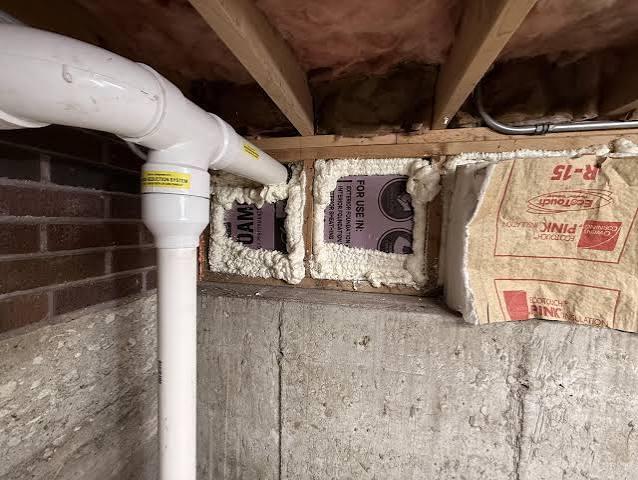
In Minnesota, insulating the pipe helps, but air sealing is what usually makes the difference. Cold air moving through a rim joist bay can drop a pipe below freezing fast.
Pipe insulation basics (what to wrap and what not to)
Insulate exposed hot and cold lines in basements, crawl spaces, and near exterior walls.Prioritize the first 6 to 10 feet inside the home after any exterior penetration.Don’t bury problems like active leaks, corroded fittings, or questionable repairs under insulation.
Air sealing around rim joists and penetrations
Seal around hose bib pipes where they pass through sheathing or rim joists.Seal around water service entry and any oversized holes.Close up utility chases that connect basement air to attic air, creating a chimney effect.
If you’re a builder or GC, this is a reputation-protection move. Homeowners don’t care which trade skipped the air sealing. They only remember the water damage.
Cabinet doors, vanities, and mechanical chases
Open cabinet doors during extreme cold so warm air reaches plumbing.Keep supply lines away from exterior sheathing when you have the choice on layout.Don’t block airflow to mechanical rooms with tight storage or unplanned built-ins.
Heat Tape and Smart Freeze Protection (When Insulation Isn’t Enough)
Some houses have a spot that’s always a problem: a cantilever, a slab edge, a bonus room over a garage, a long run near a rim joist. That’s where heat cable can be the right tool.
Where heat cable makes sense in Minnesota
Short, accessible pipe runs in unconditioned zones that can’t be re-routed easily.Known freeze points with past history or obvious wind exposure.Seasonal properties where stable temperatures are harder to maintain.
Safety and code-minded tips
Use listed heat cable intended for pipes, and follow manufacturer spacing rules.Don’t overlap heat tape or bury it under improper insulation that can overheat.Protect the connection from water and physical damage in storage areas.
Smart sensors and leak detection for second homes and vacant units
Place freeze sensors at the coldest known location, not by the furnace.Add leak detection near water heaters, mechanical rooms, and laundry areas.Use alerts you’ll actually see with multiple contacts for job sites and rentals.
During a Cold Snap: What to Do When It’s -10°F to -30°F
When Minnesota is in that deep sub-zero stretch, your plan shifts from “winterize once” to “operate the house like a system.”
Should you drip faucets in Minnesota?
Sometimes, yes. Dripping a faucet can prevent freezing by keeping water moving, especially on a vulnerable line.
Pick the right faucet on the coldest exterior wall or known trouble spot.Use a steady drip that keeps water moving, not an occasional drip.Open cabinet doors at that fixture to get warm air circulation.
If you’re on a well or you have septic considerations, use common sense and focus on insulation and heat first. Dripping is a short-term tactic, not the main strategy.
Thermostat settings and garage/bonus room realities
Keep heat consistent and avoid large nighttime setbacks during extreme cold.Confirm supply registers are open in rooms above garages or cantilevers.Keep garage doors closed and seal gaps that dump cold air into shared walls.
What to do if a pipe freezes (before it bursts)
Open the affected faucet so pressure can relieve and water can move when it thaws.Warm the area safely using household heat, not an open flame.Shut off water if you suspect a break, and keep an eye on ceilings and walls.
If you can’t identify the frozen section or you’re seeing bulging drywall, staining, or water smell, it’s time to bring in a pro before thawing turns into flooding.
For Builders and High-End Remodelers: Freeze Protection That Protects Your Reputation
If you’re a GC, your client doesn’t separate “plumbing issue” from “project experience.” One freeze event can rewrite the whole story of the remodel. Here’s how we help keep that from happening.
Rough-in phase safeguards (before drywall)
Keep piping out of exterior walls when the layout gives you any choice.Plan hose bib locations with interior shutoffs and realistic access points.Pressure test and document so you know you’re entering winter with a tight system.
Scheduling and trade coordination that prevents callbacks
Sequence air sealing so penetrations get sealed before insulation and board.Confirm heat source availability for occupied remodels and temp heat for job sites.Set a winter operations plan for who checks heat, who checks sensors, and when.
Client handoff checklist for winter operations
Show the main shutoff and label it clearly for the homeowner.Explain hose bib winterizing including the “hose off every time” rule.Give a cold snap playbook for dripping, cabinet doors, and thermostat settings.
When to Call a Pro (And What We’ll Do Differently)
Some freeze risks are DIY-fixable. Some are layout, insulation, or mechanical problems that need a real plan.
Signs you’re one cold snap away from damage
Repeated winter freezing in the same bathroom, kitchen, or spigot line.Water pressure drops during cold weather, then returns after warming.Visible frost on pipes or condensation that only happens in deep cold.
What MH Plumbing’s “No Chaos” approach looks like on winter service calls
Clear arrival windows and proactive updates so you’re not chasing us.Respect for the home with clean work areas and job site protection.Transparent options with pricing you can understand before work starts.
For GCs and remodelers, we treat your project like your reputation is on the line, because it is. We document, communicate, and leave the site cleaner than we found it.
Quick Checklist: Minnesota Frozen Pipe Prevention (Print This)
Exterior
Remove all hoses from every outdoor spigot.Winterize outdoor spigot using interior shutoff and drain if present.Seal penetrations where pipes exit the home to stop wind wash.
Interior
Insulate exposed pipes at rim joists and unheated zones.Keep heat consistent during sub-zero stretches.Open cabinet doors on exterior wall plumbing in extreme cold.
Vacant properties and job sites
Maintain minimum heat and verify it daily during cold snaps.Install freeze alerts in the coldest risk area.Know shutoff locations and keep access unobstructed.
If you want a second set of eyes on a winterization plan for a remodel, a new build, or a tricky freeze spot, MH Plumbing is local to the North Metro and we’ll keep it straightforward: what’s risky, what’s worth fixing, and how to keep the job moving without chaos.
