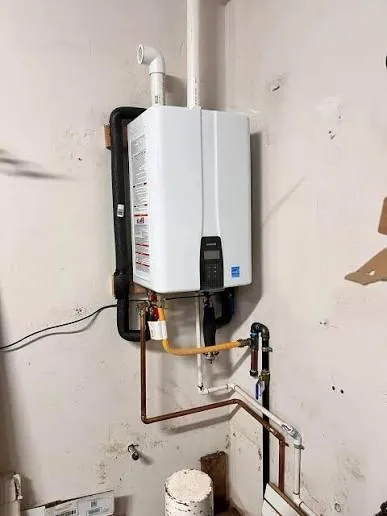
Is a Navien Condensing Tankless System Worth the Investment for Twin Cities Families?
What “worth it” actually means for Twin Cities families (and the builders who support them)
In the Twin Cities, “worth it” usually comes down to three things: reliable hot water when the house is busy, a mechanical setup that won’t create callbacks, and a project that stays on schedule. Homeowners want comfort and peace of mind. GCs want reputation insurance, meaning no surprise delays, no messy mechanical room, and no client questions you have to babysit.
A Navien condensing tankless system can be a strong investment, but it isn’t a magic box. The win is real when the home’s demand, gas supply, venting path, and piping layout all support the upgrade.
The real job: protect schedule, finish quality, and client trust
Confirm demand with fixture counts and real usage patternsVerify gas and venting feasibility before walls get closedInstall cleanly with labeling, documentation, and inspection-ready work
When tankless is the wrong upgrade
Homes with limited gas capacity and no practical upgrade pathProjects where venting routes require major finished-area disruptionHouseholds that want simplicity with minimal annual maintenance planning
Why Navien condensing tankless is popular in Minnesota homes
Navien is common in North Metro homes because their condensing units are efficient, compact, and feature-rich. For the right project, they’re a clean way to deliver high comfort without dedicating a big footprint to a tank.
Condensing efficiency basics in plain language
Condensing tankless units pull extra heat out of the exhaust. That helps them run at higher efficiency than non-condensing designs. Practically, the upside is better fuel utilization and a venting system that often uses PVC-style materials (depending on model and local code requirements), which can simplify routing in many homes.
Recirculation options: faster hot water with less waste
Long pipe runs are common in remodels, additions, and larger two-story homes. A recirculation strategy can reduce the “wait time” at fixtures and cut down on water wasted down the drain. The best setup depends on whether the home has a dedicated return line, a crossover solution, or a combination that fits the project scope.
Size and venting flexibility for tight mechanical rooms
Basement finishes and mechanical-room clean-ups are big in the Twin Cities. A wall-hung tankless can free floor space, improve access, and make the mechanical area look like it belongs in a high-end build, not like a last-minute utility closet.
Tankless vs. tank in the Twin Cities: performance and lifestyle fit
A traditional tank water heater is simple, familiar, and often lower upfront. Tankless is about continuous heating, higher efficiency potential, and better space use. The decision should be made based on how the family actually uses hot water and how the home is built.
Endless hot water vs. real-world flow limits
“Endless hot water” is true in the sense that the unit keeps heating as long as it can keep up. The limiter is flow. If multiple fixtures run at once, the unit can hit its capacity and temperatures can fluctuate. The right sizing is everything.
Back-to-back showers, tubs, and laundry: how to think in GPM
In winter, incoming Minnesota water is cold. That increases the temperature rise needed, which effectively reduces how much flow a tankless can deliver at a comfortable setpoint. The practical approach is to plan around simultaneous use:
Two showers plus laundry running at the same timeShower plus large tub fill during evening peak demandKids’ bathroom and primary suite used concurrently
If a family regularly stacks usage, sometimes the answer is a larger unit, sometimes it’s two units, and sometimes it’s a high-performance tank or hybrid setup.
Basement remodels and additions: when tankless shines
Tankless can be a great fit for basement finishes, added bathrooms, and in-law suites because it can solve space constraints and improve comfort. It can also be planned early so venting, condensate, and gas sizing are handled cleanly, with fewer surprises when the project is already in the finish stage.
Navien tankless water heater cost: realistic Twin Cities pricing ranges
Pricing in the Twin Cities varies because the unit is only part of the scope. The real cost driver is everything around it: gas line sizing, venting path, condensate management, and any recirculation strategy. Below are practical ranges homeowners and GCs can use for early budgeting. Final pricing should be based on an on-site verification.
Budget range: straightforward replacement scenarios
Short vent run with easy exterior termination accessAdequate existing gas line sizing and shutoff placementSimple condensate drain route to an approved location
Typical installed range: often starts in the mid-thousands, then climbs based on scope. In many Twin Cities homes, truly “simple” tank-to-tankless swaps are the exception, not the rule.
Mid-range: upgrades for venting, gas, or electrical
Gas line upsizing or new dedicated gas runLonger venting route with code-compliant clearancesElectrical additions for outlet, condensate pump, or controls
Typical installed range: commonly lands in the mid-to-upper thousands when you account for the supporting work that makes the system reliable.
High-complexity: multiple bathrooms, long pipe runs, or full mechanical redesign
High demand homes requiring larger capacity or dual unitsDedicated recirc return plumbing added during remodelMechanical room rework to match high-end finish standards
Typical installed range: can reach into the high-thousands to low five-figures on larger homes or premium remodels where everything is being optimized.
What should always be included in a professional quote
Model selection rationale tied to load and usage assumptionsLine-item scope for gas, venting, condensate, and recirc planPermit and inspection plan with clear responsibilities
If you’re comparing bids, don’t just compare the unit. Compare the system design and the process. That’s where callbacks are born.
Cold-climate factors that decide ROI in Minneapolis–St. Paul
Minnesota is a different animal than warm-climate tankless installs. Cold incoming water increases the temperature rise requirement. That affects sizing, comfort, and whether the system will feel “worth it” in January.
Incoming water temperature and winter performance
When groundwater is cold, a tankless has to work harder to reach setpoint at higher flow rates. A proper sizing approach accounts for winter conditions, not just average annual numbers. If your contractor sizes it like it’s springtime, you’ll feel it when the house is busiest during the holidays.
Gas line sizing and combustion air planning
Many tankless units need more gas input than a standard tank. That can mean upsizing parts of the gas system or running a dedicated line. Also, combustion air needs to be planned properly, especially in tight mechanical rooms and newer, tighter homes.
Venting, condensate, and freezing protection
Venting routes must meet code and manufacturer requirementsCondensate must be drained and protected from freezing conditionsExterior terminations must be placed to avoid nuisance icing or re-entrainment
A clean design here is what separates a “looks good on paper” install from a system that runs quietly for years.
For GCs and remodelers: the “No Chaos” install plan that keeps projects moving
If you’re a remodeler or custom builder in the North Metro, you already know the pain: one trade slips, and everyone behind them eats it. Our job is to keep your schedule intact and your client confident. That’s the point of our No Chaos SOP: on-time arrivals, proactive communication, and a job site we leave spotless.
Pre-wire and pre-plumb coordination checklist
Confirm unit location for service access and future replacement pathsLock vent route before insulation and drywall stages beginVerify recirculation approach with the full fixture layout
Inspection readiness: paperwork and labeling that avoids rework
Permit clarity with documented scope and equipment specsGas and water shutoffs placed for straightforward inspection visibilityClear labeling and clean strapping that passes a quick visual check
Clean job site standards that protect your brand
Floor protection and boot covers in finished areasDebris removed daily with tool staging kept tightBefore-and-after walkthrough documentation when appropriate
You shouldn’t have to micromanage your plumbing sub. If you do, you’re paying twice: once in dollars, and once in stress.
Quick decision guide: when a Navien condensing tankless is the right call
Green lights: situations that usually pencil out
Busy households needing consistent back-to-back hot waterMechanical rooms where reclaimed floor space truly mattersRemodels where venting and piping can be planned early
Yellow lights: needs a site-specific load calc
Two-plus showers running frequently during peak hoursLong pipe runs where recirculation design affects satisfactionOlder homes with unknown gas sizing and prior DIY changes
Red lights: pick a high-quality tank instead
No feasible vent route without tearing up finished spacesGas upgrades that don’t fit budget or project timelineHomeowners who won’t maintain the system as recommended
Next steps: get a Twin Cities tankless plan you can trust
If you’re weighing a Navien system, the fastest path to a confident decision is a walkthrough that verifies the stuff you can’t see in a spec sheet. We’ll look at gas sizing, venting routes, condensate options, and how your family actually uses hot water, then we’ll give you a straight answer on whether tankless is the right move.
What we’ll verify on a walkthrough
Fixture demand with winter temperature-rise assumptionsGas line capacity, shutoff placement, and upgrade requirementsVenting and condensate routing that stays clean and serviceable
What you’ll get in writing before we start
A transparent scope that matches the real conditions on siteA schedule plan that respects your home and your project timelineClear communication expectations so nobody is chasing updates
If you’re a GC or remodeler in Blaine, Coon Rapids, Andover, Ham Lake, or the surrounding North Metro, we’re happy to coordinate early so your mechanical plan doesn’t become a punch-list problem later.
